The Allure of Nature
Why We Are Naturally Drawn to the Natural World
Nature & Health Series, Part IV
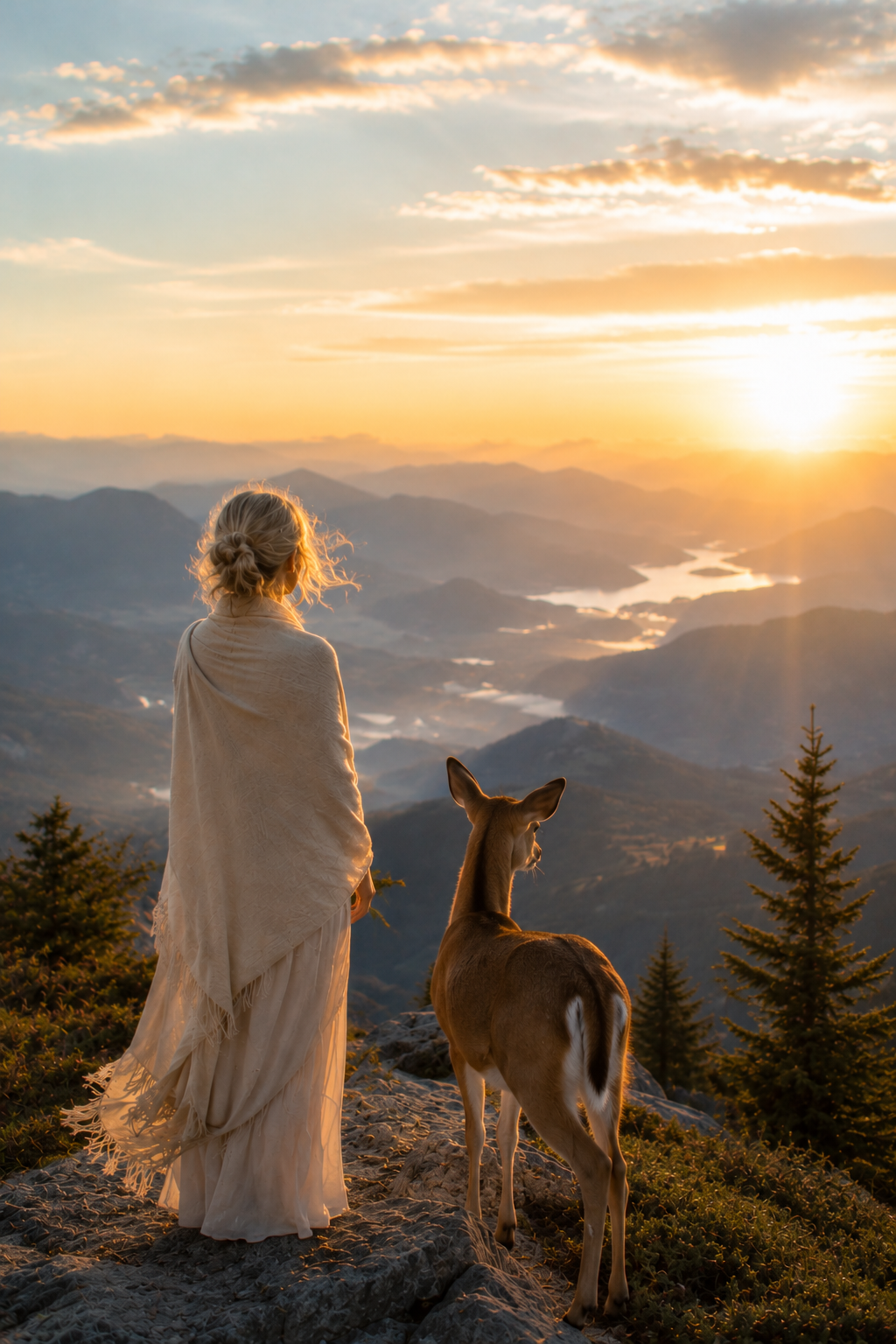
People travel across countries to stand beside oceans.
They wake before sunrise to watch light spread across a mountain range.
They hike for hours to reach waterfalls.
They stop to watch birds, butterflies, wildflowers, and changing skies.
Nature has a remarkable ability to capture our attention.
And it often does so without effort.
Unlike many modern environments that compete for our attention, nature seems to draw us in naturally.
The question is: why?
What is it about forests, rivers, oceans, mountains, wildlife, and open landscapes that continues to attract us?
Part of the answer may lie in the way the body responds to the natural world.
Nature Is Never Completely Still
One of the first things people notice in natural environments is movement.
Leaves rustle.
Water flows.
Clouds drift.
Birds cross the sky.
Light shifts throughout the day.
Nature constantly changes, but it does so gently.
This subtle movement creates visual interest without overwhelming the senses.
There is always something to notice, yet nothing is demanding your attention.
The Beauty of Variety
Natural environments rarely look exactly the same twice.
The sky changes.
The seasons change.
Plants bloom and fade.
Weather shifts.
Even familiar places feel different depending on the light, temperature, and time of year.
This variety creates a sense of discovery.
Nature offers something new without needing novelty for its own sake.

Fun & Safe
Open Space Changes Perspective
Many natural environments provide something that modern life often lacks: space.
Wide horizons.
Open skies.
Expansive landscapes.
Mountain views.
Ocean shorelines.
These environments can make daily concerns feel smaller—not because they disappear, but because perspective expands.
The body and mind often respond differently when surrounded by openness.
Wildlife Captures Attention
There is something uniquely captivating about observing living creatures in their natural environment.
A hawk circling overhead.
A butterfly landing nearby.
A deer emerging from the trees.
A hummingbird hovering for just a moment.
Wildlife introduces unpredictability.
You never know exactly what you might see.
That uncertainty often keeps people engaged in a way that feels exciting rather than stressful.
Nature Engages the Senses
Nature is rarely experienced through sight alone.
There are sounds.
Scents.
The feeling of wind on your skin.
Changes in temperature.
The smell of rain.
The sound of moving water.
The warmth of sunlight.
The feeling of grass beneath your feet.
The natural world engages the body through multiple senses at once, creating a richer experience than many indoor environments.

From Mugs to Action Figures. Shop the SALE NOW!
We Often Feel Better There
People frequently describe feeling calmer, clearer, and more grounded after spending time outdoors.
Part of that may come from fresh air, sunlight, movement, and environmental variety.
Part of it may come from stepping away from highly controlled environments.
Nature doesn't ask much from us.
It simply exists.
And sometimes that alone feels restorative.
A Place We Continue to Return To
Despite advances in technology, entertainment, and modern conveniences, people continue to seek out natural places.
They visit beaches.
Explore national parks.
Walk neighborhood trails.
Sit beside lakes.
Watch sunsets.
Observe wildlife.
Something about these experiences continues to resonate across generations.
The attraction remains.
Reflection
The allure of nature may never be explained by a single reason.
Perhaps it is the movement.
The beauty.
The openness.
The wildlife.
The sensory experience.
Or perhaps it is the way the body responds when surrounded by something that feels both familiar and alive.
Whatever the reason, people continue to return to nature again and again.
And that may be reason enough to spend more time there.
Sincerely,
Tamara
Want More?
Try The Nature & Health Series: