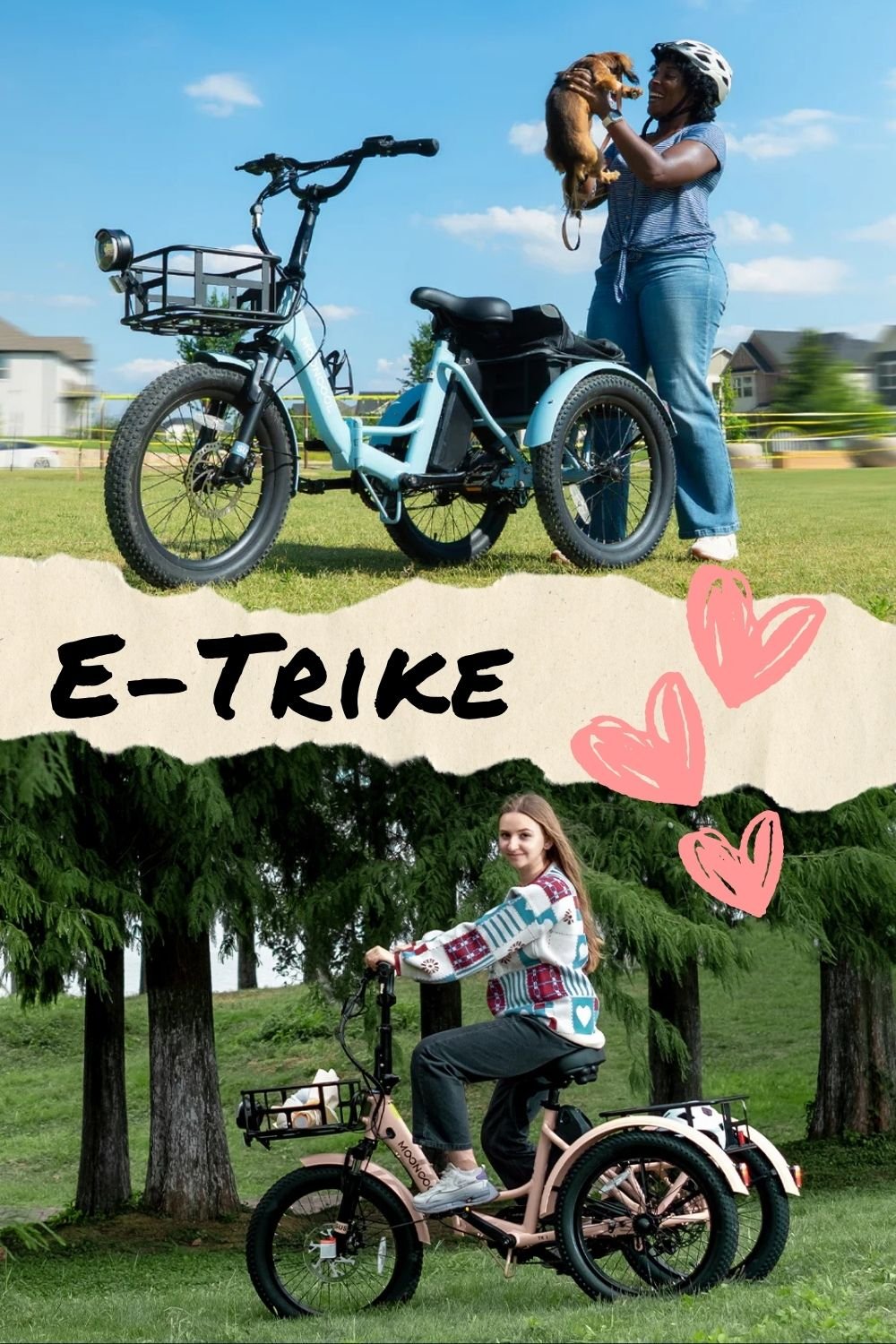
Why Some Forms of Movement Feel Better Than Others
Finding Movement That Fits Your Personality and Body
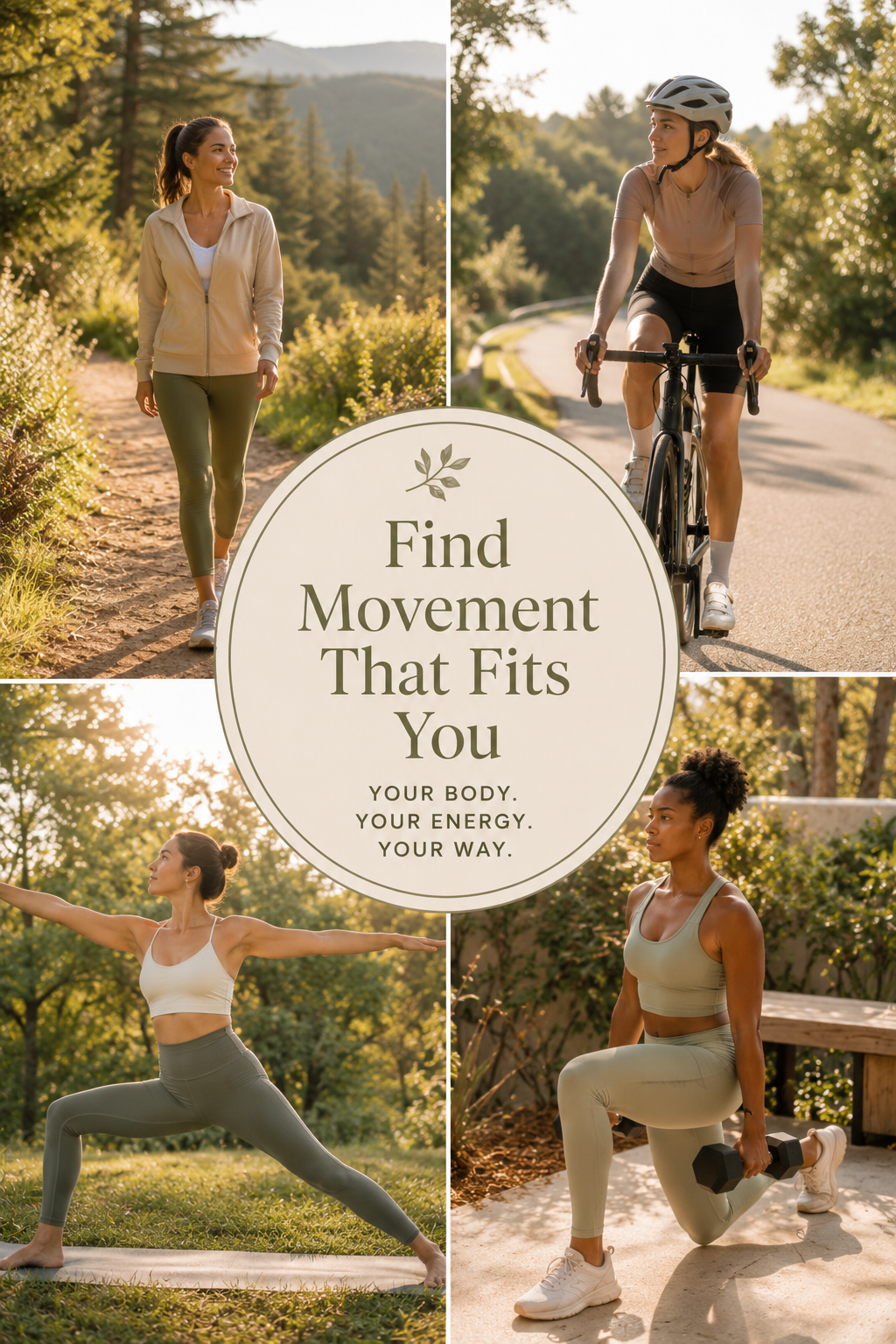
Have you ever wondered why one person loves running while another prefers yoga?
Why some people feel energized after strength training while others come alive on a bike, in a pool, or on a hiking trail?
The fitness world often focuses on finding the most effective workout.
But perhaps a more important question is:
What kind of movement makes you want to come back tomorrow?
Because movement isn't just physical.
It's personal.
And one of the reasons some forms of movement feel better than others is that our bodies, personalities, preferences, and experiences are different.
“Movement isn’t just physical. It’s personal.”
Not Every Body Enjoys Movement the Same Way
There is no universal form of exercise that everyone loves.
Some people enjoy intensity.
Others prefer rhythm.
Some enjoy solitude.
Others thrive in group environments.
Some enjoy structure.
Others prefer exploration and variety.
None of these preferences are right or wrong.
They're simply different ways of experiencing movement.
When a form of exercise aligns with your natural preferences, it often feels less like a chore and more like something you genuinely enjoy.
Energy Matters
Pay attention to how different forms of movement affect your energy.
Some workouts leave you feeling strong and energized.
Others may leave you feeling depleted or drained.
Neither response is necessarily good or bad.
But it is valuable information.
The goal isn't to find the hardest workout.
It's to find movement that supports your health while fitting your life.
Personality Plays a Role
Movement preferences often mirror personality traits.
Someone who enjoys quiet reflection may naturally gravitate toward:
• hiking
• walking
• yoga
• swimming
Someone who enjoys challenge and measurable progress may prefer:
• strength training
• cycling
• running
• competitive sports
Someone who enjoys social connection may be drawn to:
• fitness classes
• dance
• pickleball
• recreational sports
The best movement isn't always the most popular movement.
It's often the movement you'll continue doing.
Your Body Offers Clues
The body provides feedback constantly.
Pay attention to how you feel during and after different activities.
Questions worth asking:
• Do I look forward to this?
• Do I feel stronger afterward?
• Do I recover well?
• Does this support my energy?
• Do I feel mentally refreshed?
The answers often reveal more than fitness trends ever will.
Enjoyment Is Not a Weakness
Many people believe exercise should be difficult to count.
But enjoyment is one of the strongest predictors of consistency.
When movement becomes something you genuinely enjoy:
• resistance decreases
• consistency improves
• motivation becomes less important
• long-term habits become easier
The goal isn't suffering.
The goal is sustainability.
Where Play Meets Learning
Different Seasons, Different Movement
What feels right today may not feel right forever.
There may be periods when:
• walking feels perfect
• strength training becomes appealing
• cycling sounds exciting
• yoga becomes restorative
Our needs change.
Our interests evolve.
And movement can evolve with us.
Giving yourself permission to adapt is part of building a healthy relationship with fitness.
The Best Movement Is the One You Return To
Fitness culture often encourages people to search for the perfect workout.
But the perfect workout may not exist.
What exists is movement that feels compatible with your body, personality, goals, and lifestyle.
The movement that fits you is often the movement you'll continue.
And consistency will almost always outperform perfection.
A Final Thought
The best form of movement isn't necessarily the one someone else recommends.
It's the one that leaves you feeling stronger, healthier, and more connected to your body.
The one that fits your life.
The one you enjoy enough to keep returning to.
Because movement isn't just about what works on paper.
It's about what works for you.
In Good Health,
Tamara