Why Water Feels So Restorative to the Body
Nature and Health Series, Part 2
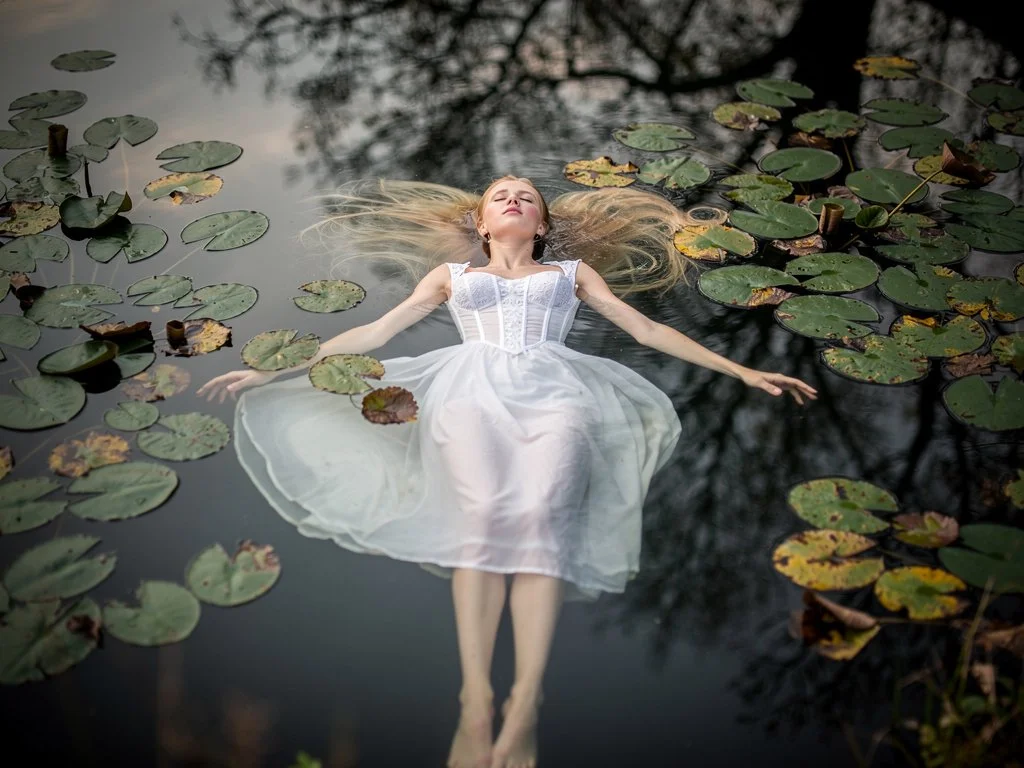
There’s something almost immediate that happens when we come into contact with water.
The sound of waves.
The movement of a river.
The rush of a waterfall.
The stillness of a lake… or even the warmth of a bath.
The body begins to relax.
Breathing slows.
Thoughts start to settle.
Something shifts — often within minutes.
Whether it’s a natural setting or something as simple as a shower or a quiet moment in water, the effect can feel surprisingly similar — a shift toward calm, clarity, and ease.
Even a short amount of time around water can feel restorative in a way that’s difficult to explain — but there are real reasons behind this response.
The Visual Effect of Water
Water often creates open, expansive views.
Unlike crowded indoor spaces or busy environments, water gives the eyes a place to rest.
Looking out over a lake, ocean, or even a still surface, such as a swimming pool, reduces visual strain and allows the mind to relax its constant need to process information.
This sense of openness can create a feeling of calm and clarity.
The Sound of Water Calms the Body
Water has a distinct kind of sound — steady, rhythmic, and continuous.
Waves rolling in.
A stream moving over rocks.
Water falling in a steady cascade.
Unlike sudden or unpredictable noise, these sounds create a consistent pattern the body can follow.
This rhythm naturally encourages:
• slower breathing
• reduced tension
• a more settled physical state
It’s one of the reasons water sounds are often used for relaxation — the body doesn’t have to work to interpret them, it simply responds.

…with SongOven it’s easy as One, Two, Three. Click for more info.
Natural Rhythm and Movement
Water is constantly moving, but rarely in a harsh or abrupt way.
The steady motion of waves or flowing water creates a natural rhythm that the body can easily follow.
This can subtly influence:
• breathing patterns
• heart rate
• overall sense of ease
Being near water often feels calming because the body begins to align with this slower, more consistent rhythm.
A Break from Constant Stimulation
Modern environments are filled with:
• screens
• notifications
• artificial noise
• visual clutter
Water environments tend to be simpler.
Fewer distractions allow the mind to settle and focus without effort.
This shift can improve:
• mental clarity
• mood
• ability to relax
Fresh Air and Physical Reset
Many water environments — beaches, lakes, rivers — are paired with fresh air and open space.
This combination encourages:
• deeper breathing
• gentle movement
• a sense of physical reset
The body often feels lighter and more energized after spending time near water.

Create a custom song for your loved one in three easy steps…it’s ready within the hour. Click on the photo for more information.
Not All Water Feels the Same — And That Matters
While many people associate water with calm and stillness, not all water environments feel the same — and each type of water can affect the body in a slightly different way.
Waterfalls: Energy and Sensory Reset
Unlike the gentle rhythm of a lake or ocean, waterfalls are powerful, loud, and dynamic.
The sound is stronger.
The movement is faster.
The energy feels more intense.
Instead of creating stillness, waterfalls often create a full sensory experience.
This can feel:
• refreshing
• energizing
• mentally clearing
The intensity of the sound can interrupt background noise and repetitive thoughts, giving the mind a different kind of reset.
Swimming Pools: Movement and Physical Ease
Swimming pools don’t offer the same natural environment as lakes or oceans, but they still provide a unique physical experience.
Water supports the body in a way that reduces pressure on joints and allows for freer movement.
This can create:
• a sense of lightness
• ease of movement
• reduced physical tension
Even without natural surroundings, being in water can still feel restorative because of how the body physically interacts with it.
Bathtubs: Warmth and Relaxation
A bath offers a more controlled and personal version of the water experience.
Warm water can help:
• relax muscles
• ease physical tension
• encourage the body to slow down
Unlike outdoor environments, a bath removes external stimulation and creates a contained space for rest.
Joy Ride Reimagined!
Different Water, Different Effects
Each type of water offers something slightly different:
• oceans and lakes → calm and openness
• waterfalls → energy and mental reset
• pools → physical ease and movement
• baths → warmth and relaxation
The common thread is not the type of water —
it’s how the body responds to it, the reason we feel restored by it, & why we long for it.
Bringing It Into Everyday Life
You don’t need access to an ocean or a remote landscape to experience the effects of water.
A few minutes is often enough.
Standing near a fountain.
Sitting by a pool.
Taking a walk near a lake.
Even a quiet moment in a bath or shower.
The setting doesn’t need to be perfect — it just needs to create a pause.
These small moments allow the body to reset, even within a busy day.
A Natural Reset
There’s a reason water has always been associated with calm, clarity, and restoration.
The body responds to it naturally — through sound, movement, and rhythm. Sometimes it feels refreshing and sometimes gives us warmth.
When we spend time around or in water, we’re stepping into an environment the body understands.
And sometimes, the most effective reset isn’t complicated.
It’s simply allowing the body a moment to slow down, recalibrate, and return to balance.
with kindness,
Tamara
Joy Ride Reimagined!