
CookieG by Design
Somatic awareness is the practice of listening to the body.
Not to change it.
Not to control it.
Not to fix or analyze it.
Simply to notice.
The word somatic comes from the Greek soma, meaning “the living body.” Somatic awareness invites you to pay attention to physical sensations — tension, ease, warmth, breath, posture — and to recognize them as meaningful information rather than background noise.
Where the mind explains,
the body communicates.
The body speaks before the mind understands
Your body is constantly responding to the world around you.
It tightens before stress becomes overwhelming.
It softens when something feels safe.
It reacts before the mind has time to rationalize.
Somatic awareness is learning to recognize these responses in real time — without immediately judging them or trying to override them.
This awareness doesn’t ask why you feel something.
It asks what you are feeling, and where.
That shift changes everything.
Why somatic awareness matters
Many people live primarily from the neck up.
We think through emotions.
We reason through decisions.
We explain away discomfort.
Over time, this disconnect can create tension, confusion, and fatigue — not because something is wrong, but because the body hasn’t been included in the conversation.
Somatic awareness brings the body back into relationship with the mind.
It helps you:
recognize stress earlier
respond instead of react
trust subtle signals
feel more grounded in your choices
It doesn’t replace thinking — it complements it.
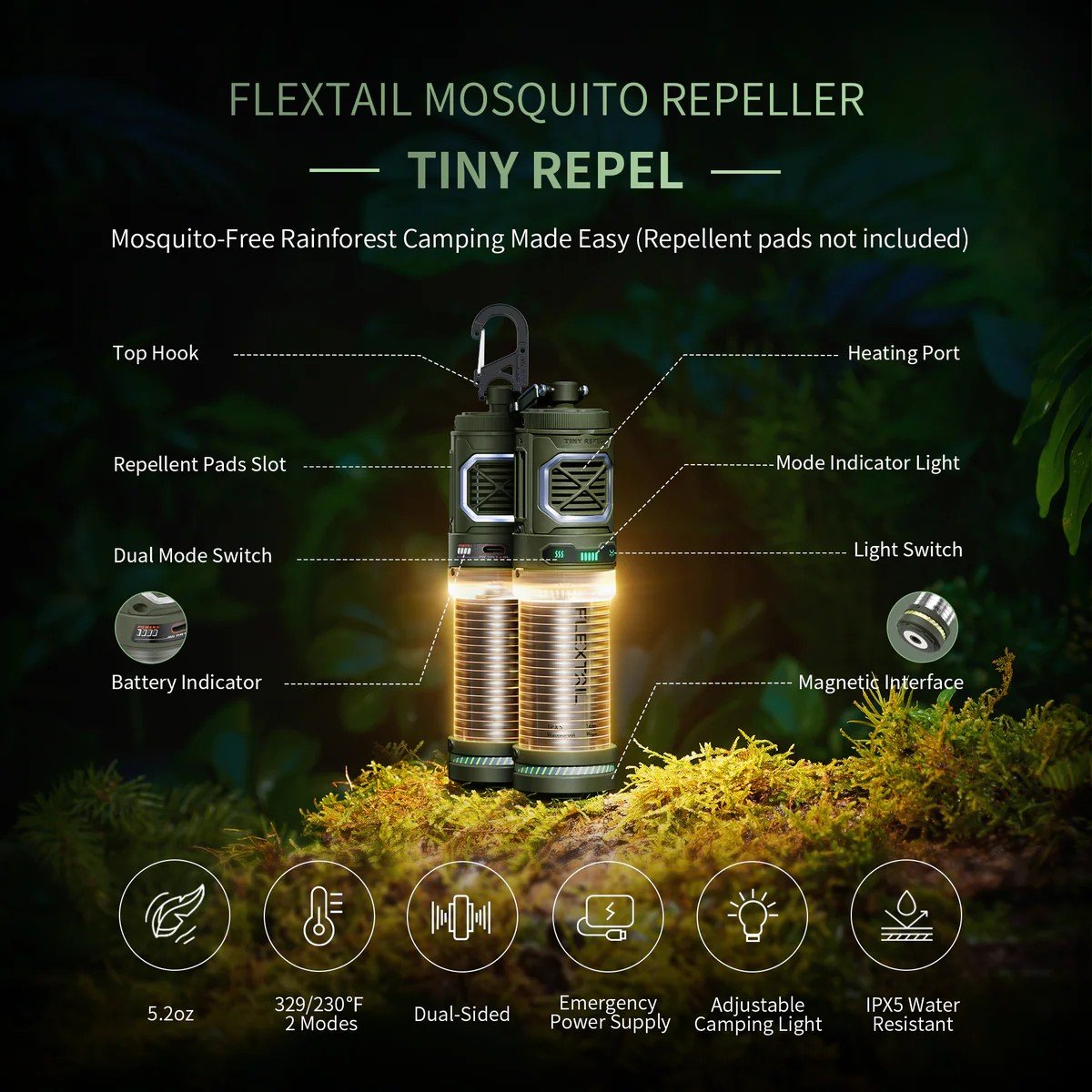
TINY REPELLER - 3 IN 1 Outdoor Insect Repellent with Power Bank Function
15% OFF PROMO CODE: BFCM15
Somatic awareness is not emotional suppression
Somatic awareness doesn’t ask you to ignore feelings or stay composed at all costs.
It asks you to stay present.
When sensations are noticed rather than avoided, they often soften on their own. Tension releases not because you forced it, but because it no longer needs to hold your attention.
This is regulation without control.
What somatic awareness looks like in daily life
Somatic awareness is not something you do once and master.
It shows up quietly, in ordinary moments:
noticing your shoulders tense during a conversation
feeling a subtle contraction before saying yes
sensing ease when a choice feels aligned
recognizing fatigue before burnout
These moments build self-trust — not because the body has all the answers, but because it offers honest feedback.

EVO TIRE PUMP 200 - 150 PSI Electric Portable Tire Inflator
15% off PROMO CODE: BFCM15
A gentle somatic awareness practice
You don’t need special conditions to begin.
Just a few minutes of attention.
Try this:
Find a comfortable seated or lying position.
Let your body be supported.
Bring awareness to where your body meets the surface beneath you.
Notice the contact without adjusting it.
Now scan your body slowly.
Notice areas of tension, warmth, heaviness, or ease.
Choose one sensation to stay with for a few breaths.
There is nothing to change.
If thoughts arise, gently return to the physical feeling.
After a minute or two, notice if anything has shifted — even slightly.
This is enough.
Somatic awareness grows through consistency, not intensity.
How this series will build
This post is the foundation.
In the next articles, we’ll explore how somatic awareness helps you:
recognize stress before it overwhelms
sense boundaries before they’re crossed
distinguish intuition from anxiety
allow the body to truly rest
Each post will stay grounded, practical, and gentle — offering awareness, not pressure. I will include 5-7 min. audio practices for each post that you can return to when needed.
Reflection
Your body is not separate from your wisdom.
It has been communicating quietly all along.
Somatic awareness is simply the practice of listening —
with patience, respect, and curiosity.
With presence,
Tamara

ZERO POWER 10,000C - The World's Lightest & Thinnest 10,000mAh Power Bank (145g, 22.5W)
Use Discount in link
Note: affiliate partnerships may earn commissions at no cost to you.
Want More?
Somatic Awareness Series:
