The Art of Being Selective
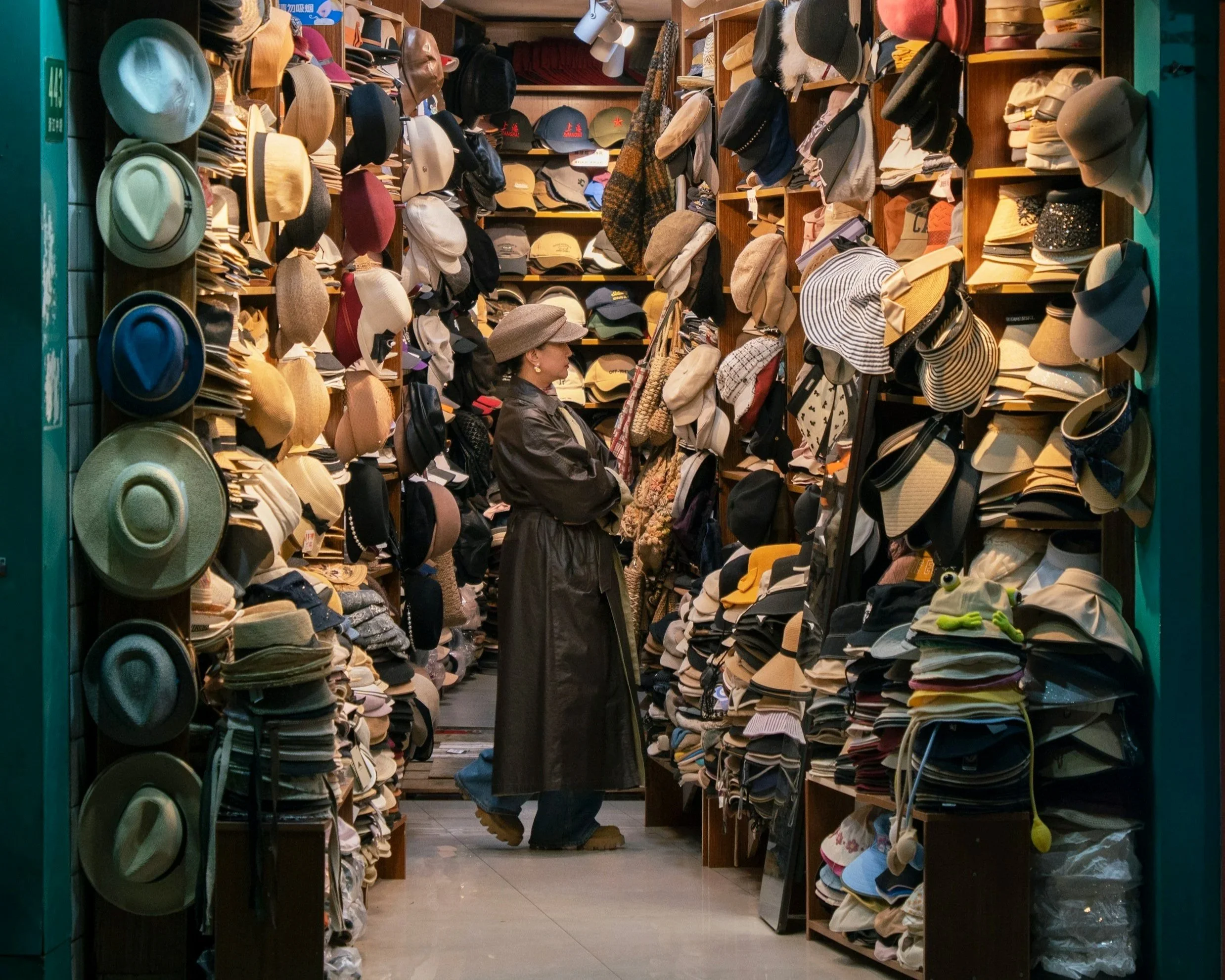
Choosing with discernment, not restriction
There comes a point where clarity no longer comes from adding more —
but from choosing more intentionally.
Being selective is often misunderstood as being closed off, rigid, or withholding. In reality, it’s the opposite. Selectivity is an act of awareness. It’s the quiet recognition that not everything requires your energy, attention, or presence.
When you are selective, you’re not shrinking your world.
You’re refining it.
Selectivity is not about limitation
Selectivity doesn’t mean saying no out of fear.
It means saying yes with intention.
It’s the difference between reacting to what’s available and responding to what feels aligned. Instead of being pulled by obligation, pressure, or momentum, you begin to move from clarity.
This kind of selectivity isn’t harsh.
It’s grounded.
It allows you to remain open — without being scattered.
Why selectivity creates calm
Much of our stress comes not from what we’re doing, but from what we’re carrying unnecessarily.
When everything feels equally urgent or important, the nervous system stays alert. There’s no sense of hierarchy or safety — just constant engagement.
Selectivity introduces relief.
It quietly asks:
Does this deserve my energy right now?
Does this support the way I want to feel?
Is this mine to carry?
When you stop giving equal weight to everything, your body relaxes. Decisions become simpler. Your internal world feels less crowded.
Discernment versus restriction
Restriction is driven by fear — fear of loss, judgment, or scarcity.
Discernment is driven by trust.
Discernment doesn’t need to justify itself. It doesn’t require rigid rules or explanations. It simply notices what fits and what doesn’t.
You may find that discernment sounds like:
“This no longer feels supportive.”
“I don’t need to engage with this.”
“This doesn’t require my response.”
There’s no drama in it.
Just clarity.
Selectivity as self-respect
Being selective is one of the most subtle forms of self-respect.
It’s the understanding that your energy is not infinite — and that honoring it allows you to show up more fully where it matters.
When you stop overextending, you create space for:
deeper presence
more meaningful connections
clearer thinking
a steadier sense of self
Selectivity protects what’s essential.
A gentle practice: noticing what feels unnecessary
This practice isn’t about making changes right away. It’s simply about awareness.
Take a moment to reflect on the following, without judgment:
What currently asks for my attention that feels heavy or draining?
What do I engage with out of habit rather than intention?
What feels complete, even if I haven’t formally “ended” it?
You don’t need to act on these answers immediately.
Noticing is enough.
Often, clarity begins the moment we stop forcing decisions and allow ourselves to see things honestly.
Living with discernment
Over time, selectivity becomes less about effort and more about instinct.
You begin to feel when something is aligned — and when it isn’t.
You respond instead of react.
You choose instead of default.
Life doesn’t become smaller when you’re selective.
It becomes clearer.
And clarity has a way of creating calm.
Final reflection
Being selective is not about closing yourself off from life.
It’s about engaging with it more intentionally.
When you choose with discernment, you give your energy direction.
You allow your life to feel less crowded — and more considered.
That is the art of being selective.
