Why Walking Is One of the Most Underrated Forms of Exercise

In a world that often celebrates intensity, walking can seem almost too simple to matter.
It doesn't require expensive equipment.
It doesn't leave you drenched in sweat.
It doesn't usually earn admiration on social media.
And because it feels so ordinary, many people underestimate just how powerful it can be.
Yet walking remains one of the most accessible, sustainable, and beneficial forms of movement available to nearly everyone.
Sometimes the habits that create the greatest long-term impact are not the most dramatic.
They're the ones we can continue doing consistently.
Walking Supports the Entire Body
Walking may feel gentle, but that doesn't mean it is insignificant.
A regular walking habit can support:
cardiovascular health
circulation
blood sugar regulation
joint mobility
balance and coordination
muscular endurance
healthy weight management
long-term longevity
Unlike many forms of exercise, walking places relatively low stress on the body while still delivering meaningful benefits.
For many people, that makes it easier to maintain over months and years rather than days and weeks.
And consistency is where the greatest results often occur.
The Power of Simple Habits
The benefits of walking are often easy to overlook because they rarely appear overnight. Instead, they accumulate quietly over time. One walk may improve your mood for the afternoon. A week of walks may help you feel more energized. Months of regular walking can support cardiovascular health, mobility, mental well-being, and overall vitality.
Like many of life's most valuable investments, the true power of walking is found in its cumulative effect. Small steps, repeated consistently, often create the most meaningful transformations.
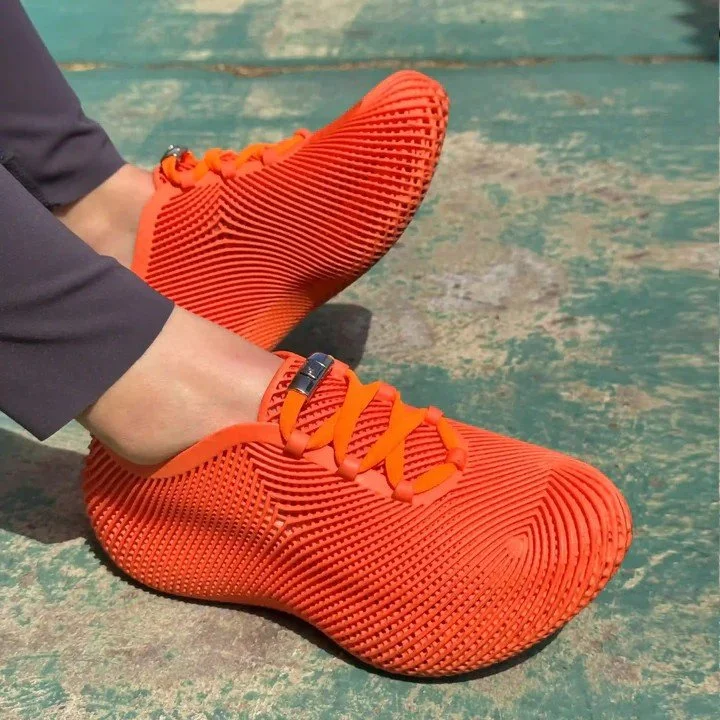
3D Printed Sneakers
Walking Supports Mental Health Too
The benefits of walking extend far beyond physical health.
Many people notice they feel different after a walk.
Lighter.
Clearer.
Calmer.
More grounded.
Research continues to show that regular walking can support:
stress reduction
improved mood
reduced anxiety
emotional regulation
cognitive function
mental clarity
Part of this comes from the physiological effects of movement.
Part comes from stepping away from constant stimulation.
And part comes from giving the mind space to process.
Some thoughts become easier to understand when your body is moving.
Walking Creates Mental Space
Modern life often leaves little room for reflection.
Notifications arrive constantly.
Schedules remain full.
Attention becomes fragmented.
Walking creates a rare opportunity to slow down without completely stopping.
The rhythm of movement helps quiet mental noise.
Problems that felt overwhelming sometimes become manageable.
Solutions appear.
Perspective returns.
Many people discover that some of their clearest thinking happens while walking.
Not because they are trying harder.
Because they finally created enough space to hear themselves.
Nature Makes Walking Even More Powerful
When walking happens outdoors, the benefits often multiply.
Fresh air.
Sunlight.
Trees.
Open space.
Birdsong.
Changing scenery.
These elements support the nervous system in ways that indoor environments often cannot replicate.
Nature gently draws attention outward while simultaneously helping the body relax.
This combination can feel remarkably restorative.
A short walk through a neighborhood park may provide far more than physical movement.
It may also become a form of mental recovery.

Professional-Grade Red & Near-Infrared Light Therapy Panels
Walking Is an Invitation, Not a Test
One reason walking remains so sustainable is that it feels approachable.
Many forms of exercise can feel intimidating to beginners.
Walking rarely does.
You do not need:
perfect fitness
athletic ability
expensive memberships
complicated programs
special equipment
You simply begin where you are.
Five minutes counts.
Ten minutes counts.
A walk around the block counts.
Consistency matters far more than perfection.
The Power of Simple Habits
There is a tendency to believe meaningful change requires dramatic effort.
But many of the healthiest habits are surprisingly ordinary.
Drinking water.
Sleeping well.
Spending time outside.
Moving regularly.
Walking fits beautifully into this category.
Its simplicity is not a weakness.
It is one of its greatest strengths.
Because the best exercise is often the one you can continue doing long after motivation fades.
Walking Helps You Reconnect With Yourself
Walking offers something many people don't realize they need.
Presence.
Not forced meditation.
Not perfect mindfulness.
Simply being where your feet are.
Feeling the air.
Noticing the light.
Observing the world around you.
Returning to the present moment.
These small experiences accumulate over time.
And often, people begin a walking habit for physical health but continue because of how it makes them feel.
Closing Reflection
Walking may never look as impressive as intense workouts.
It may never feel dramatic.
But its value was never meant to come from being dramatic.
Its value comes from its ability to support your body, calm your mind, and help you reconnect with yourself day after day.
I am speaking from experience when I say that some of my clearest thoughts, most peaceful moments, and healthiest habits have started with something as simple as putting one foot in front of the other.
Sincerely,
Tamara

Resistance Color Ergonomic Office Chair $60 OFF