Why Muscle Matters More Than Weight
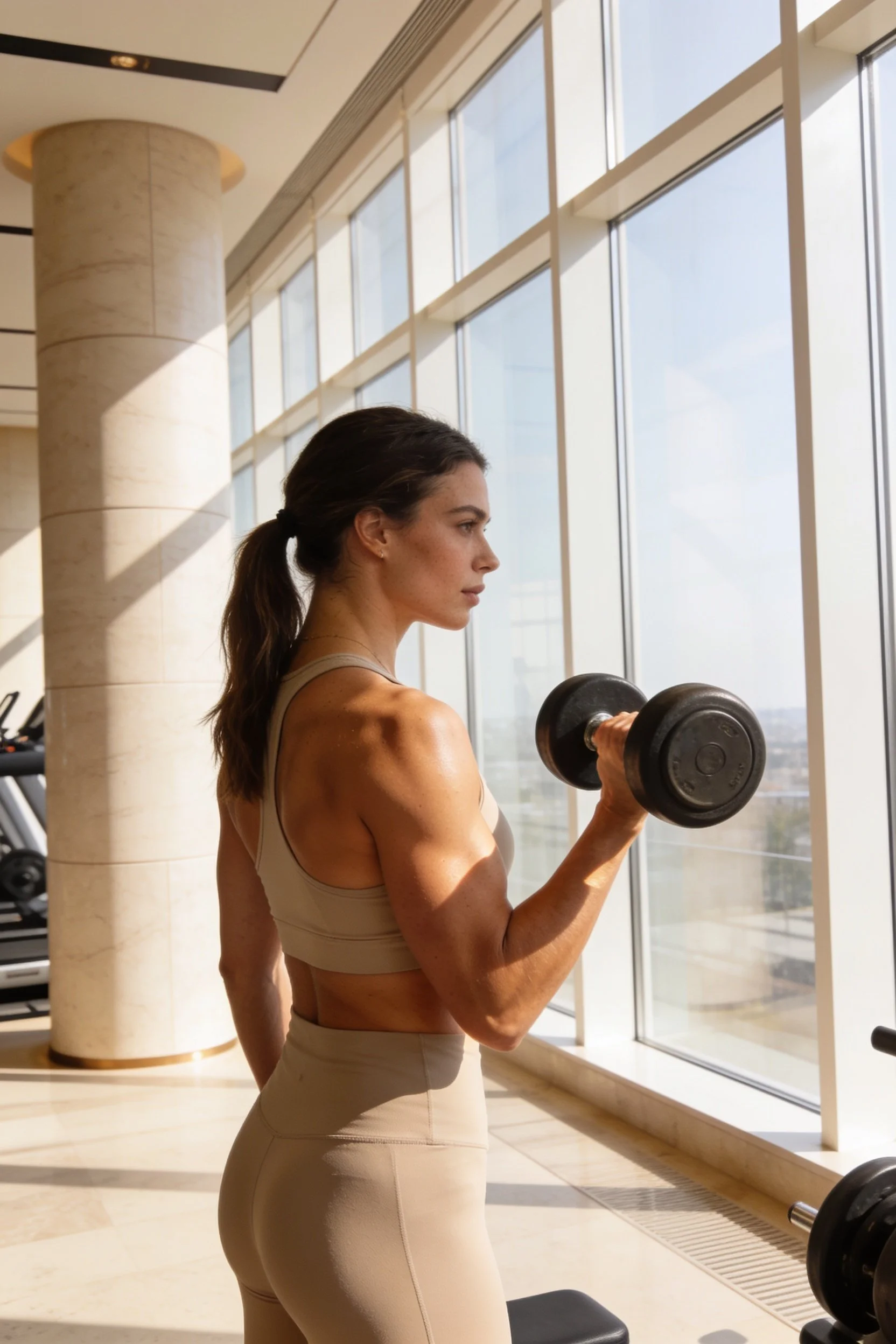
For decades, many people have been taught to focus on a single number.
The number on the scale.
It has been used as a measure of progress, success, health, and even self-worth.
But the truth is that weight tells us far less about health than most people realize.
Two people can weigh exactly the same and have dramatically different levels of strength, energy, mobility, metabolic health, and long-term wellness.
The number on the scale is simply one piece of information.
It does not tell the whole story.
And often, it is not the most important story.
Muscle Does More Than Help You Look Strong
When people think about muscle, they often think about appearance.
But muscle serves a far greater purpose.
Muscle helps support:
mobility
balance
posture
joint stability
metabolism
blood sugar regulation
bone health
injury prevention
independence as we age
Every movement you make throughout the day depends on muscle.
Standing up from a chair.
Carrying groceries.
Climbing stairs.
Lifting luggage.
Getting up from the floor.
These everyday activities become easier when muscle is maintained and strengthened.
The Scale Cannot Measure Strength
One of the most frustrating experiences for people beginning a fitness journey is working hard without seeing dramatic changes on the scale.
But positive changes may be happening anyway.
You may be:
building muscle
improving endurance
increasing bone density
improving cardiovascular health
sleeping better
feeling more energetic
becoming physically stronger
The scale cannot measure any of those things.
This is one reason many people become discouraged unnecessarily.
They focus on the one thing that may not be changing while overlooking dozens of things that are.
Muscle Supports a Healthy Metabolism
Muscle tissue is metabolically active.
In simple terms, your body uses energy to maintain it.
This does not mean building muscle magically solves every health challenge.
But maintaining healthy muscle mass can support:
energy expenditure
blood sugar management
metabolic health
healthy aging
As people grow older, muscle naturally declines if it is not intentionally maintained.
That is one reason strength training becomes increasingly important with age.
The goal is not simply looking fit.
The goal is maintaining function.
Strength Creates Freedom
One of the most overlooked benefits of muscle is freedom.
The freedom to:
travel comfortably
stay active
remain independent
enjoy hobbies
recover more easily from setbacks
participate fully in life
Many people don't think about this when they are younger.
But physical capability becomes increasingly valuable over time.
The strongest body is not necessarily the one that looks the most impressive.
It is the one that continues supporting the life you want to live.
Muscle Helps Protect Long-Term Health
Research continues to associate healthy muscle mass with improved health outcomes as people age.
Muscle contributes to:
balance
stability
reduced fall risk
functional movement
bone support
overall resilience
This is especially important for women, who face increased risks related to muscle loss and bone density changes as they age.
Building and maintaining strength is not merely a fitness goal.
It is an investment in future quality of life.

by Nexbie
Progress Should Be Measured Differently
Imagine measuring progress by:
feeling stronger
carrying heavier groceries
climbing stairs more easily
improving posture
having more energy
sleeping better
recovering faster
feeling more capable
These markers often reveal far more about health than a scale ever can.
Because health is not simply about weighing less.
It is about functioning better.
A Stronger Body Supports a Better Life
When people stop chasing smaller numbers and start pursuing greater capability, something interesting happens.
The focus shifts.
Movement becomes less about punishment.
Nutrition becomes less about restriction.
Health becomes less about appearance.
And wellness becomes more about supporting a body that allows you to fully participate in your life.
That is a much more meaningful goal.
Closing Reflection
The scale measures weight.
It does not measure strength.
It does not measure resilience.
It does not measure energy, mobility, confidence, or capability.
Those qualities often matter far more.
I am speaking from experience when I say that learning to appreciate what my body could do instead of focusing solely on what it weighed created a healthier and far more empowering relationship with fitness.
wishing you health & well-being,
Tamara