When Movement Meets the Outdoors
Why Walking, Running, and Biking Feel Different Outside
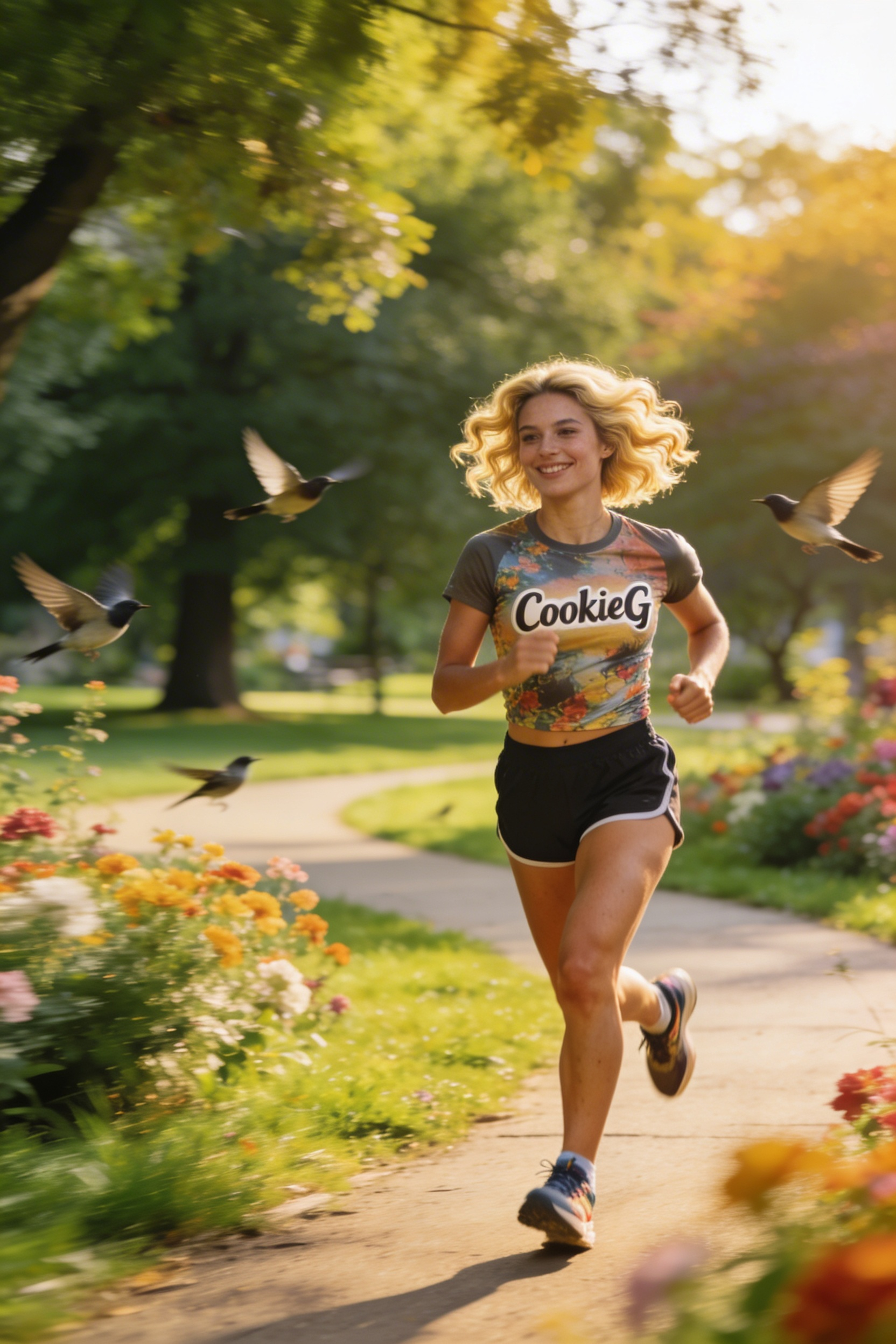
Movement feels different outside.
Not just physically — but in how it’s experienced.
A walk on a treadmill is predictable.
A run outdoors is not.
The ground changes.
The air shifts.
The pace adjusts without thinking.
Even if the movement is similar — step by step, stride by stride — the experience is not.
There’s a reason outdoor movement often feels more engaging, more natural, and sometimes even easier to sustain.
The Body Adapts Without Being Told
Indoor movement tends to be controlled.
Speed is set.
Surface is flat.
The environment stays the same.
Outside, none of that holds.
The body constantly adjusts to:
• uneven ground
• slight inclines
• changing terrain
• shifting balance
These adjustments happen automatically.
Muscles engage differently.
Stabilizers activate.
Coordination improves.
Instead of repeating the same movement, the body becomes more responsive — adapting moment by moment.
Attention Moves With the Environment
Indoor workouts often require effort just to stay engaged.
Screens, music, timers — all help maintain focus.
Outside, attention naturally shifts.
You notice:
• changes in terrain
• sounds in the distance
• movement around you
• the path ahead
Focus becomes dynamic instead of fixed.
Movement isn’t something you push through — it becomes something you participate in.
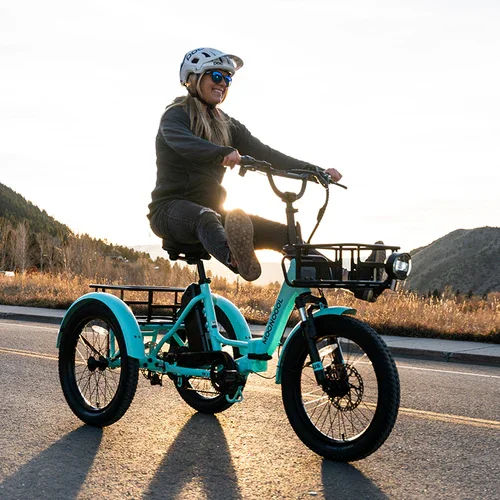
FUN, Foldable, Safe For Adults & Kids
Pace Becomes More Natural
Outside, pace rarely stays constant.
You slow down going uphill.
You pick up speed on flat ground.
You pause without thinking.
There’s no need to maintain a fixed tempo.
The body regulates effort based on the environment.
This often results in:
• more sustainable movement
• less forced intensity
• better energy management
The rhythm becomes more intuitive rather than prescribed.
Fresh Air and Sunlight Change the Experience
Outdoor movement doesn’t just change how you move — it changes how your body feels while you’re moving.
Fresh air encourages deeper, more natural breathing.
Sunlight supports the body’s internal rhythm, helping regulate energy levels throughout the day.
Together, they can contribute to:
• improved energy
• better focus
• a greater sense of physical ease
Even a short time outdoors can feel noticeably different from the same activity done inside.
The Environment Adds to the Experience
Outdoor movement comes with something extra — the environment itself.
Trees.
Open space.
The smell of grass.
Birds moving through the air.
Light shifting across the ground.
These elements create a kind of “environmental bonus.”
They don’t require effort, but they change how the experience feels.
Instead of focusing only on the movement, your attention expands to include what’s around you.
This often makes movement feel less repetitive and more engaging.

Mother’s Day Gift Idea
Movement Feels Less Isolated
Indoor exercise can feel separate from everything else.
You start.
You finish.
You leave.
Outdoor movement blends into the environment.
A walk becomes part of the surroundings.
A run becomes part of the landscape.
A bike ride moves you through space instead of in place.
There’s less sense of “working out” and more sense of simply moving.
The Environment Changes Effort
The same distance doesn’t always feel the same.
A mile indoors can feel long.
A mile outdoors can pass quickly.
This isn’t just perception — it’s engagement.
When the environment changes, the mind has more to interact with.
Movement feels less repetitive and more varied.
A Different Way to Move
Walking, running, or biking outdoors doesn’t need to replace structured exercise.
But it offers something different.
It brings variability.
It encourages natural pacing.
It engages both the body and environment.
Sometimes, that’s exactly what movement needs.
Designer: Alfredo Häberli
Key Takeaway
Outdoor movement doesn’t just change the setting — it changes how movement is experienced.
The body adapts more naturally.
Attention becomes more engaged.
Effort feels more connected to what’s happening around you.
Sometimes, that shift is enough to make movement feel less like something you do — and more like something you’re part of.
Sincerely,
Tamara
“The movement doesn’t change — but where you do it changes everything”