The Relationship Between Energy and Movement
Fitness & Physical Health Series, Part III

Many people think movement requires energy.
And sometimes it does.
After a long day, exercise can feel like the last thing the body wants to do.
But movement and energy have an interesting relationship.
Because while movement requires energy, it also creates it.
That’s why the hardest part of exercise is often starting — not continuing.
Energy Doesn’t Always Arrive First
A common assumption is:
“Once I have more energy, I’ll move more.”
But in reality, energy often works in the opposite direction.
Movement itself changes how the body feels.
A walk can increase alertness.
A workout can shift mental fog.
Stretching can reduce physical heaviness.
The body frequently responds to movement with increased circulation, deeper breathing, and a greater sense of activation.
Stillness Can Create More Sluggishness
Rest is important.
But too much physical inactivity can sometimes create the very feeling people are trying to escape.
Long periods of sitting, staying indoors, or remaining inactive can make the body feel:
• heavy
• stiff
• mentally dull
• low-energy
Movement interrupts that pattern.
Even small amounts can create noticeable shifts in how the body feels afterward.
The Body Responds Quickly
One of the most interesting things about movement is how quickly the body responds to it.
Energy doesn’t always change before movement.
Sometimes it changes because of movement.
A short walk.
A few minutes of stretching.
Light activity after sitting too long.
The shift may not be dramatic, but it’s often noticeable.
The body begins to wake up through movement itself.
Mental Energy Changes Too
Movement doesn’t only affect physical energy.
It can also change:
• focus
• motivation
• mental clarity
• emotional state
People often describe feeling mentally “stuck” before movement and mentally clearer afterward.
Part of this comes from shifting the body out of prolonged stillness and into physical engagement.
Movement Creates Momentum
Movement has a compounding effect.
Once the body starts moving consistently, resistance often decreases.
The body adapts.
Energy improves.
Movement feels more familiar.
This creates momentum.
And momentum is often more reliable than motivation.
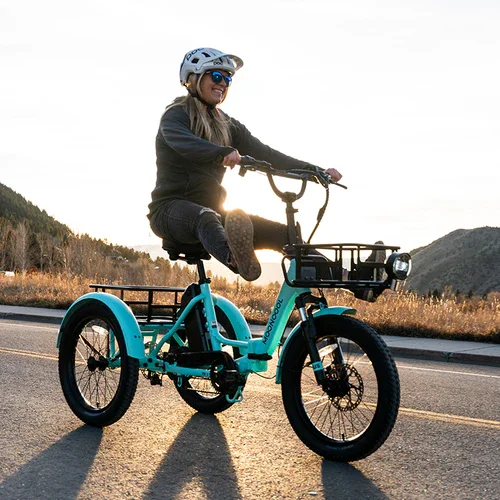
Fun, Easy, Safe & so many accessories to choose from.
Not Every Day Feels the Same
Energy naturally fluctuates.
Some days the body feels strong and active.
Other days it feels slower and heavier.
That’s normal.
The goal isn’t perfect consistency in intensity.
It’s maintaining a relationship with movement even when energy changes.
Sometimes that means:
• a full workout
• a walk instead of a run
• stretching instead of intensity
All movement still counts.
A Different Way to Think About Energy
Instead of viewing movement as something that drains energy, it can help to view it as something that influences energy.
Not every workout leaves the body exhausted.
Some forms of movement leave the body feeling:
• clearer
• lighter
• more awake
• more capable
That’s an important distinction.
The Takeaway
Movement and energy are connected in both directions.
Movement requires energy — but it also creates it.
And often, the hardest part is simply beginning.
Because once the body starts moving, it usually remembers what to do from there.
Sincerely,
Tamara

FlikEze
Photobiomodulation (PBM), also known as red and near-infrared light therapy, uses specific wavelengths of light to gently stimulate your body's natural processes. By enhancing cellular energy and balance, PBM helps you feel more restored, more resilient, and more in tune with yourself.