Mindful Eating —Mini Ritual

Most meals are eaten on autopilot. This is a small interruption—just enough to make food feel new again. Mindful eating is not habitual, it focuses on the act of eating and asks the questions:
How does this feel and how good does this really taste?
Did I notice the colors or experience the textures?
Am I still hungry, or am I eating on momentum?
It’s about curiosity and awareness.
Try this…
1. Choose one item on your plate.
Not the whole meal. Just one thing.
2. Pretend you’ve never eaten it before.
No history. No preferences. No opinions.
3. Take one bite and investigate it like a mystery.
Silently notice:
Is it softer or firmer than expected?
Does the flavor change as you chew?
Is it warmer, cooler, brighter, duller than you thought?
No correcting. No naming it “good” or “bad.”
4. Stop after that bite.
You can continue eating normally — That’s it.
Nothing about the food changes. Only the way you meet it.
Why This Works
It interrupts autopilot without effort
It makes food interesting again
It brings novelty into something repetitive
It creates a small pocket of presence without turning the meal into a “practice”
You’re not slowing the whole meal.
You’re just breaking the spell of routine for one moment.
*Optional Twists
Color version: focus only on color
Texture version: ignore flavor entirely
Temperature version: notice how it shifts from first bite to swallow
Does Mindful Eating Matter?
How you eat can shape your relationship with food more the What you eat.
Digestion starts in the nervous system.
When you slow down, your body shifts out of stress mode, allowing proper digestion and nutrient absorption.It rebuilds hunger and fullness signals.
Eating quickly or distracted blunts your internal cues. Mindful eating restores them.It reduces emotional over-eating.
Pausing and noticing creates a gap between impulse and action—often enough to soften compulsive patterns.It turns meals into regulation, not stimulation.
Food becomes grounding instead of something you rush through or use to cope.It reconnects you to your body.
Over time, you trust yourself more around food—without control or restriction.
On a Personal Note…
A friend of mine, who is a self-proclaimed FOODIE, truly knows how to slow down with intention, enjoy color, texture and flavor…she is a True Mindful Eater. This is dedicated to her.
In Kindness,
Tamara
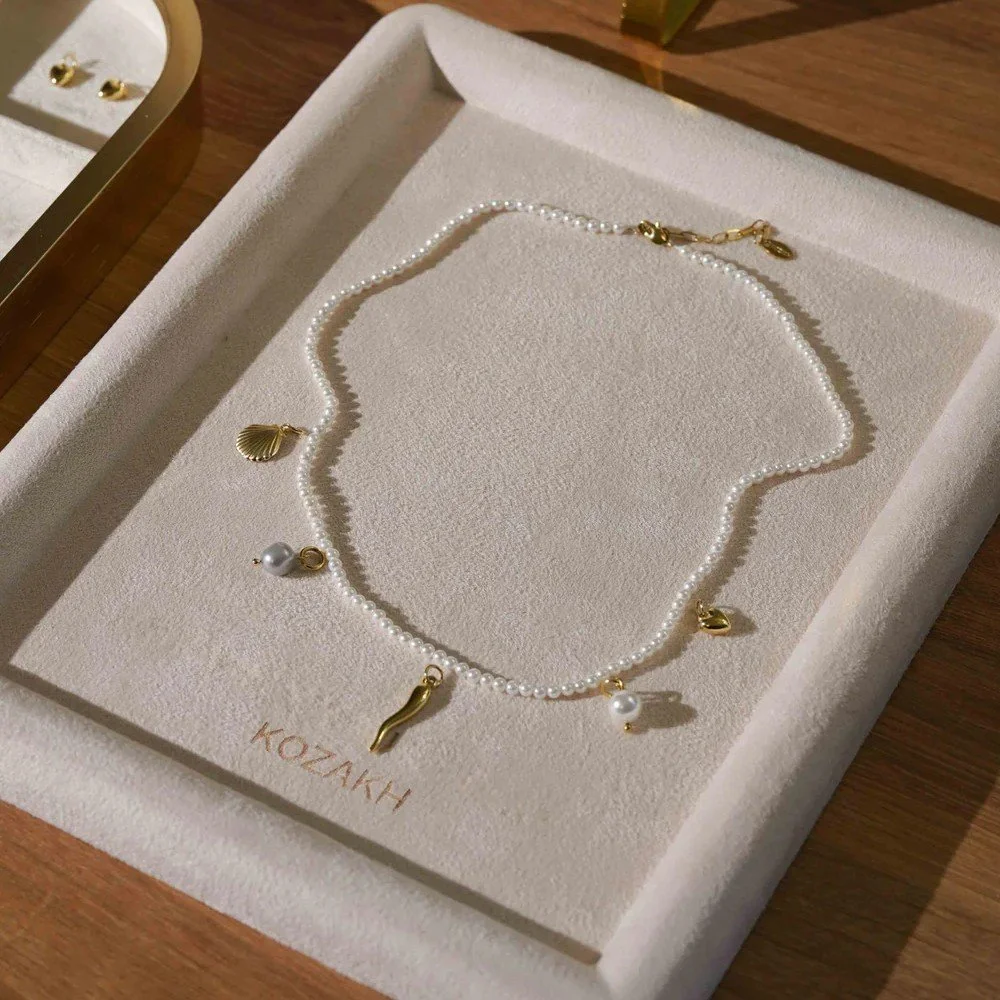
Build Your Own Charm Necklace — by Kozakh
Use Promo Code MYJEWELRY for 20% off through this site.
*affiliate partnership
