An Anti-Inflammatory Lifestyle: How to Calm Your Body & Protect Your Long-Term Health
🌿 Inspired Essentials for Mind, Body & Home

Inflammation itself isn’t the enemy.
Your body uses inflammation to heal when you’re injured or sick.
The problem is chronic, low-grade inflammation—the kind that stays “switched on” quietly in the background for years. Research links this long-term inflammation to many modern illnesses, including heart disease, diabetes, cancer, kidney disease, autoimmune disorders, and neurodegenerative conditions. National Library of Medicine
An anti-inflammatory lifestyle is not a strict diet or a trend. It’s a gentle, sustainable way of eating, moving, and living that lowers this constant internal “fire,” so your body can repair, regulate, and feel safer.
This article will walk you through:
what an anti-inflammatory lifestyle is
how it supports disease prevention
what to eat (and reduce)
lifestyle habits that calm inflammation
how your skincare and personal care products can be contributing
simple ways to start without overwhelm—it’s a gradual process
As always, this isn’t medical advice—it’s a gentle guide based upon research. Always check in with your doctor or healthcare team for your specific situation or pre-existing conditions.
What Is an Anti-Inflammatory Lifestyle?
At its core, an anti-inflammatory lifestyle:
emphasizes whole, minimally processed & organic foods
lowers added sugars and ultra-processed foods
includes healthy fats, fiber-rich plants, and quality protein
supports good sleep, regular movement, and stress reduction
minimizes exposure to unnecessary chemicals (including in personal care)
eliminates pollutants, toxins and other sources, as much as possible
removes cleaning products & household goods that contribute
Harvard and other major health organizations highlight anti-inflammatory dietary patterns—like the Mediterranean and DASH styles—as powerful ways to reduce chronic inflammation and lower risk of heart disease, diabetes, and other chronic conditions. Harvard Health Publishing
Ketogenic Diet is also an Anti-Inflammatory Diet that also helps you loss weight. Check out The Ketogenic Diet 101
A great sources to check if your home & personal care products are toxic and/or have chemical side effects, go to the EWG - Environmental Working Group and enter your products. You will be surprise how many chemicals you put on and in your body everyday. They can suggest healthier versions of what you seek.
How Chronic Inflammation Connects to Disease
When inflammation becomes chronic, it can quietly damage tissues and organs over time. Many reviews show that chronic, low-grade inflammation is involved in:
cardiovascular disease (including heart attacks and stroke)
type 2 diabetes and insulin resistance
autoimmune conditions
non-alcoholic fatty liver disease
some cancers
neurodegenerative diseases like Alzheimer’s
PMC
The encouraging part: evidence shows that anti-inflammatory dietary patterns can reduce inflammatory biomarkers in the blood and lower risk of chronic diseases over time. NLB Anti-Inflammatory Diets
You can’t control everything, but you can make daily choices that help your body cool the fire instead of feeding it. Any amount you reduce is better than more. Reduce inflammation where you can, with lifestyle changes and healthier product, and give your body a healthy break.
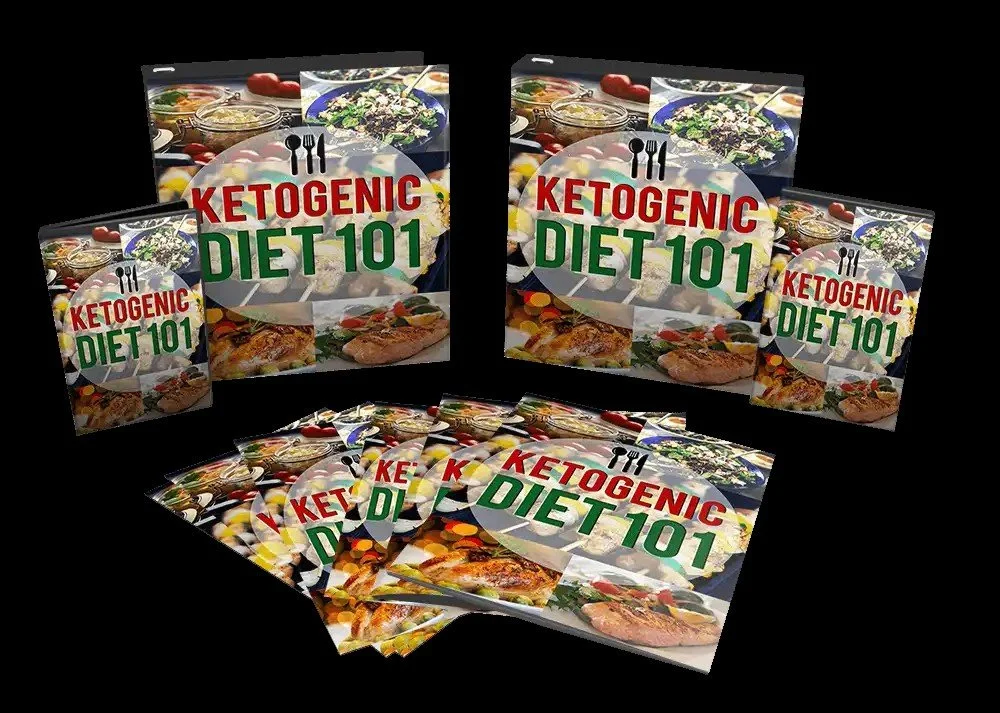
Ketogenic Diet 101 — Instant Download *affiliate partnership
How to Eat in an Anti-Inflammatory Way
You don’t need perfection—you need direction. Think “more of this, less of that,” in a way that still feels enjoyable and beautiful.
Foods to Emphasize
Research consistently points to these as anti-inflammatory allies:
Colorful vegetables: leafy greens, cruciferous veggies (broccoli, cauliflower, Brussels sprouts), peppers, carrots, beets
Fruits: berries, cherries, oranges, apples, pomegranate, citrus, avocado
Healthy fats: extra-virgin olive oil, tallow, avocado, nuts, seeds (cut-out seed oils)
Quality protein: wild caught fatty fish (salmon, sardines, mackerel), pasture-raised poultry, grass-fed & grass-finished marbled beef, legumes (if tolerated), eggs
Herbs & spices: turmeric (with black pepper), ginger, cinnamon, garlic, rosemary, oregano
Whole grains—if your body handles them well (These are not Keto): oats, quinoa, farro, barley
Fermented foods: yogurt, kefir, kimchi, sauerkraut, miso (for gut support)
Think: color, fiber, good fats, and foods that look like they came from the earth. Farm to Table.

Foods & Habits That Can Drive Inflammation
You don’t have to eliminate everything overnight, but awareness helps.
Try to reduce:
ultra-processed foods (fast food, packaged snacks, frozen meals)
refined carbs (white bread, pastries, sugary cereals)
added sugars (sodas, candy, sweetened coffee drinks, desserts)
processed meats (canned & deli meats)
frequent deep-fried foods
excessive alcohol, which turns to sugar in your system
These foods don’t have to be “forbidden,” but making them occasional instead of daily can significantly reduce the inflammatory burden on your body.

Medical Benefits of an Anti-Inflammatory Lifestyle
While individual responses vary, research suggests that anti-inflammatory dietary patterns are associated with:
Lower risk of heart disease and stroke Cleveland Clinic
Improved insulin sensitivity and reduced risk of type 2 diabetes Pub Med Central
Reduced inflammatory biomarkers (like CRP and certain cytokines) in the blood NLM
Potential support in autoimmune conditions, when paired with medical care and individualized triggers (e.g., by reducing gut inflammation and overall immune activation) Pub Med Central
Better brain and cognitive health, by reducing chronic inflammation linked to neurodegenerative disease Nature Medicine
It’s not a magic cure, but it is a powerful foundation. Think of it as creating the conditions for your body to do what it’s designed to do: repair, protect, and restore.
Another example, think of your system as a table with four legs and keeping the table balanced means stability. A well-rounded reduction of inflammation is the goal.
Beyond Food: Lifestyle Habits That Lower Inflammation
Food is a huge piece—but not the only one. Harvard and other experts point to a full lifestyle approach: National Library of Medicine
Intermittent fasting: Allowing longer rest periods between meals supports metabolic health, improves insulin sensitivity, and can reduce inflammatory markers when done consistently and gently. This works: Learn More
Movement: gentle, regular activity (walking, yoga, strength training) reduces inflammation and supports cardiovascular, metabolic, and mental health.
Sleep: aim for 7–9 hours. Poor sleep is strongly linked to higher inflammation markers.
Stress reduction: chronic stress drives inflammatory pathways; support your nervous system with breathwork, EFT, gratitude, nature, and quiet routines.
Not smoking / limiting alcohol: both are well-known inflammatory triggers.
Weight in a comfortable range for you: excess visceral fat (around the abdomen & organs) is strongly linked to chronic inflammation; anti-inflammatory eating and movement help here naturally.
Anti-Inflammatory Diet: Mediterranean, DASH, Ketogenic…to name a few.
You don’t need to fix everything at once. Choose one small habit at a time and build from there.
Personal Care Products & Hidden Chemical Load
Anti-inflammatory living isn’t only about what you eat—it’s also about what you absorb through your skin.
Some personal care products (lotions, shampoos, makeup, perfume, deodorant, etc.) can contain ingredients associated with hormone disruption, allergies, and other health concerns. Over time, your cumulative exposure may contribute to overall inflammatory stress on the body. Check out the EWG for more information.
To reduce this load, you can:
choose simpler & safer ingredient, EWG Verified products are a good place to start
avoid heavily fragranced products when possible
look for brands that are transparent about testing and safety
slowly swap out products as you finish them (no need to throw everything away at once)

Using EWG’s Skin Deep® to Check Products
The Environmental Working Group (EWG) offers a free resource called Skin Deep®, a database that rates the safety of over 130,000 personal care products and ingredients.
You can:
search by product name or brand
see a hazard score (lower is generally better)
learn which ingredients raise concern & why
use their Healthy Living app to scan barcodes in-store
This isn’t about fear—it’s about informed choice.
You can gently reduce your daily exposure to potentially problematic chemicals by choosing products with lower scores when it’s realistic for you.
Chemicals in Cleaning and other Household Products
These products are of great concern and should be check for problematic chemicals that are harmful. Again, the EWG Household and Consumer Products is a good place to start and get suggestions on products that are safer to use, inhale and touch. It’s always a good idea to use gloves when cleaning with products.
How to Start an Anti-Inflammatory Lifestyle (Gently)
You don’t have to overhaul everything. Think soft shifts:
Add before you subtract
Add one extra serving of vegetables or berries each day.
Add olive oil instead of a processed dressing.
Upgrade one product at a time
When you run out of a lotion, shampoo, or cleanser, replace it with something EWG-rated as safer.
Choose one calming habit
A short walk, 5–10 minutes of stretching, a wind-down routine, or an earlier bedtime once or twice a week.
Try Intermittent Fasting, start slow
Check out this ebook on the subject Intermittent Fasting Formula
Tune in: less bloating? clearer skin? more even energy? calmer mood? Fat loss? Sleeping better?
Work with your healthcare team
Especially if you have existing conditions or take medications, partner with a doctor or nutrition-focused practitioner before making big dietary changes.
This is just the beginning, take it slowly…but surely…for your sake.
To Sum it up
An anti-inflammatory lifestyle isn’t about doing everything flawlessly — it’s about small, supportive shifts that nourish your well-being.
It’s about lowering the noise—inside your body and your environment—so your system can breathe.
Every colorful meal, every walk, every better-sleep night, every safer product, every calm moment, while removing inflammation triggers…adds up.
You deserve a body that feels less inflamed, a healthier baseline, a mind that feels clearer, and a home that quietly supports your healing.
With heart felt well-wishes,
Tamara
*Affiliate products may or may not generate earnings at no cost to you.

“Prevention is better than cure”
*Affiliate products may or may not generate earnings at no cost to you.
