What Happens When You Start Prioritizing Sleep

There is a noticeable difference between getting through the day and actually having the energy to enjoy it.
When you're consistently well-rested, mornings feel different. Your thoughts feel clearer. Your body recovers more easily. Your patience lasts longer. Movement feels better. Even ordinary responsibilities can feel more manageable.
Sleep is sometimes treated as the part of life we can borrow from whenever we need a few extra hours.
Stay up later.
Wake up earlier.
Finish one more thing.
Eventually, though, the body keeps track.
Sleep isn't simply the time left over after you've finished living your day.
It's part of how you prepare your body to live the next one.
Your Body Is Working While You Sleep
Sleep may look passive from the outside, but internally, your body is remarkably busy.
Throughout the night, complex processes support physical restoration, memory, immune function, metabolism, hormone regulation, and nervous system health.
Your brain processes and consolidates information.
Muscles recover from physical activity.
Energy stores are restored.
Hormonal and metabolic processes are regulated.
The body essentially uses sleep as protected maintenance time.
That makes sleep much more than rest.
It is an active part of maintaining your health.
Your Energy Becomes More Consistent
One of the first things you may notice when you begin prioritizing sleep is simply having more usable energy.
Instead of relying on caffeine, adrenaline, or sheer determination to carry you through the day, your body begins with a fuller reserve.
That can mean:
more productive mornings
fewer afternoon crashes
greater motivation to exercise
more patience for everyday responsibilities
more energy for the things you actually enjoy
There is a tremendous difference between forcing yourself through a day and having enough energy to participate in it.

Comfort, Style & Impact
in Adult & Kid sizes
Your Brain Works Better
Sleep is deeply connected to cognitive performance.
When you're well-rested, it is generally easier to concentrate, learn, remember information, solve problems, and make decisions.
When sleep is consistently inadequate, even simple tasks can begin requiring more effort.
You may recognize the feeling.
You read the same sentence twice.
Forget why you walked into a room.
Struggle to make a decision that normally wouldn't be difficult.
Feel mentally scattered for no obvious reason.
Sometimes what feels like a motivation problem is simply an exhausted brain asking for recovery.
Your Workouts Begin to Feel Different
Exercise challenges the body.
Sleep helps it adapt to that challenge.
Adequate sleep supports muscle recovery, physical performance, coordination, reaction time, and the restoration processes necessary for continued training.
And there's another benefit that matters just as much:
When you're rested, you're more likely to actually want to move.
A workout that feels impossible after a terrible night's sleep can feel completely manageable after a restorative one.
Sleep and fitness aren't competing priorities.
They support each other.
Hunger and Appetite Can Become Easier to Manage
Sleep also plays an important role in appetite regulation.
Insufficient sleep can influence hormones and brain pathways involved in hunger, satiety, and food reward, which can make highly palatable foods particularly tempting when you're exhausted.
This is one reason healthy eating can sometimes feel considerably harder after several nights of poor sleep.
It isn't always a lack of discipline.
Your physiology has changed.
Prioritizing sleep gives the systems involved in appetite and metabolism a better environment in which to function normally.
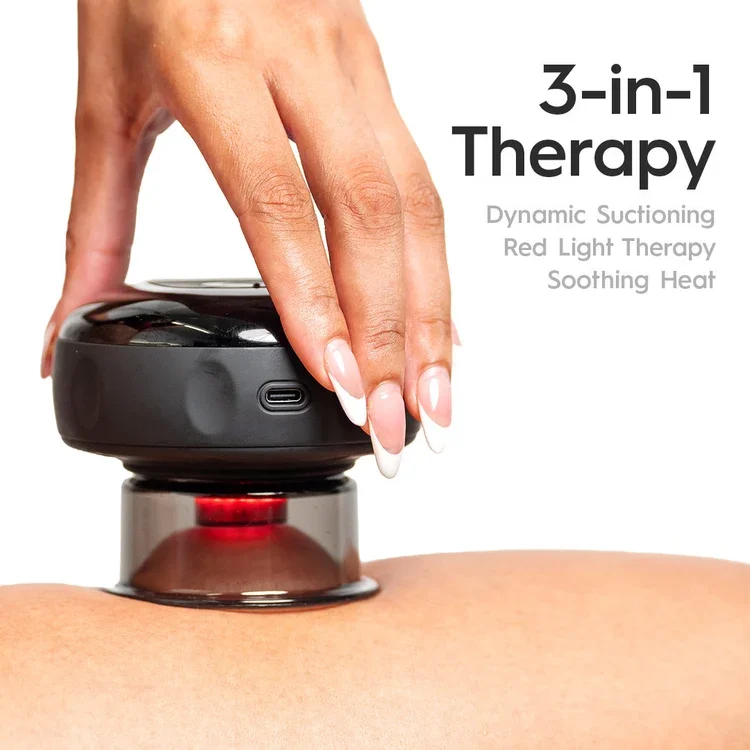
Revo
Smart Cupper Bundle. The cupping tool with Red Light Therapy & heat.
Your Metabolic Health Benefits
Sleep is also connected to the way your body regulates glucose and responds to insulin.
Repeated sleep restriction can negatively affect insulin sensitivity and metabolic health, while consistently getting adequate sleep supports normal metabolic regulation.
This matters because health is rarely determined by one isolated habit.
Movement affects sleep.
Sleep affects appetite.
Appetite influences nutrition.
Nutrition affects energy.
Energy influences movement.
The body is interconnected.
Improving one foundational habit can sometimes make several other healthy habits easier.
Your Immune System Gets More Support
Sleep and immune health are closely connected.
While you sleep, the immune system carries out important regulatory processes that help your body respond appropriately to challenges.
This doesn't mean good sleep guarantees you won't get sick.
It means sleep is one of the fundamental conditions that allows your immune system to function as it should.
We often think about supporting immunity through what we eat or the supplements we take.
Sometimes supporting it begins much earlier.
By going to bed.
Your Stress Response Can Change
Everything feels harder when you're exhausted.
Traffic feels more irritating.
Small problems feel larger.
Patience disappears more quickly.
Emotions can feel closer to the surface.
Adequate sleep supports the brain systems involved in emotional regulation and helps the nervous system recover from the demands of the previous day.
The circumstances around you may not have changed at all.
But your capacity to respond to them has.
Sometimes resilience begins with rest.

ZERO LANTERN - 56g UItralight 2-in-1 Camping Light / Flashlight
USB-C Rechargeable, Up to 35H Runtime, 4-Level Brightness Control and 360° illumination
You Begin to Discover What Well-Rested Actually Feels Like
This may be one of the most surprising changes.
When tiredness has become normal, you can forget what rested feels like.
You assume needing multiple cups of coffee is normal.
You assume the afternoon crash is normal.
You assume dragging yourself out of bed every morning is simply adulthood.
Then you begin consistently sleeping enough.
And eventually, you notice something.
You wake up before the alarm and don't immediately want to go back to sleep.
Your mind feels clear.
Your body feels ready to move.
You have energy left at the end of the day.
You begin realizing how much of your life you had been experiencing through exhaustion.
That realization can completely change the way you value sleep.
Prioritizing Sleep Doesn't Require Perfection
There will always be late nights.
Travel.
Celebrations.
Deadlines.
Children.
Unexpected interruptions.
A healthy relationship with sleep isn't about becoming rigid.
It's about recognizing sleep as something worth protecting most of the time.
That might mean:
creating a more consistent bedtime
dimming lights in the evening
giving yourself time to unwind
keeping your bedroom cool, dark, and comfortable
limiting late-night stimulation
getting morning daylight
allowing enough time in bed to actually sleep
Small changes can accumulate.
Just as they do with walking, strength training, nutrition, and mobility.
Sleep Is Part of Taking Care of Yourself
We often admire the discipline required to wake up early and exercise.
But there is discipline in going to bed, too.
There is self-respect in recognizing that your body has limits.
There is wisdom in understanding that productivity without restoration eventually has a cost.
Sleep isn't something you should have to earn by exhausting yourself first.
It is one of the foundations that allows you to feel strong, clear, capable, and alive.
Closing Reflection
A good night's sleep doesn't simply change your morning.
It influences the way you think, move, eat, recover, respond, and experience the entire day ahead.
And when those nights begin accumulating, the benefits accumulate with them.
I am speaking from experience when I say that there is an enormous difference between pushing through life tired and experiencing it well-rested. Protecting your sleep isn't losing hours from your day. It's giving yourself a better version of the hours you're awake.
Wishing you well,
Tamara