The Physical Benefits of Spending More Time Outdoors
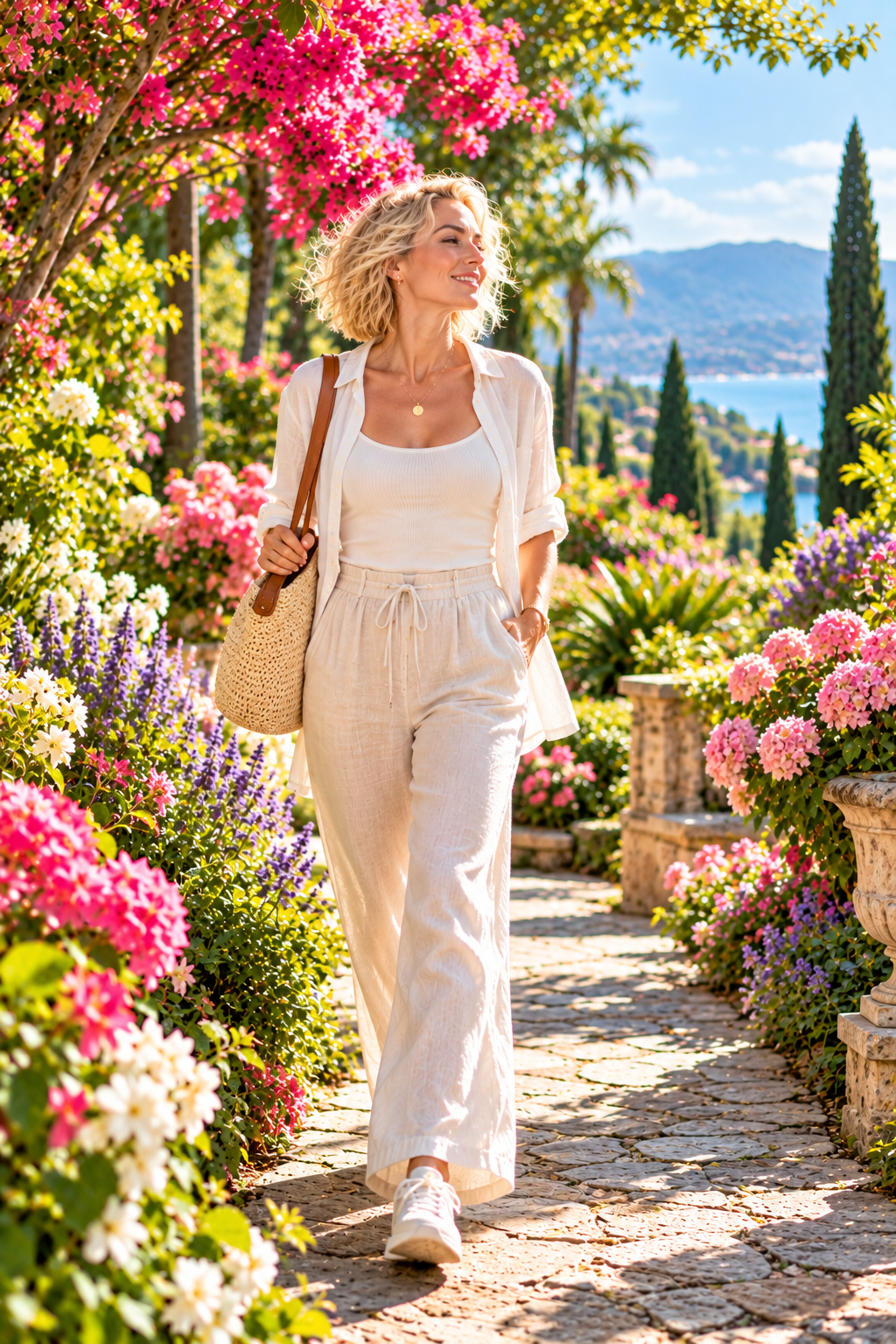
There's something wonderfully simple about stepping outside.
You don't have to be going anywhere.
You don't need special equipment.
You don't even need a particular reason.
Sometimes it's enough to open the door, feel the daylight on your skin, and spend a little time moving through the world beyond your walls.
We often associate outdoor activities with exercise—hiking, cycling, running, swimming, or long walks.
But the physical benefits of spending time outdoors aren't reserved for people who enjoy strenuous activity.
Gardening counts.
Walking around the neighborhood counts.
Watering your plants, exploring a park, stretching on the patio, or taking a leisurely stroll after dinner can all contribute to a more active life.
And while being outdoors isn't automatically healthier than being indoors, it offers something valuable: opportunities to move, experience natural daylight, and engage with an environment that encourages us to use our bodies in different ways.
Sometimes improving your physical health doesn't require doing more. It simply means taking more of your everyday life outside.
Natural Light Helps Set Your Body's Internal Clock
One of the most important physical benefits of being outdoors has nothing to do with exercise.
It's daylight.
Your body operates on an internal timing system known as the circadian rhythm.
This system helps coordinate sleep and wakefulness, hormone patterns, body temperature, and other biological processes throughout the day.
Light is one of its most important environmental signals.
When daylight reaches your eyes, it helps your brain recognize that it's daytime, supporting the timing of alertness and sleep.
Outdoor light is generally much brighter than ordinary indoor lighting, even when the sky is cloudy.
This is one reason spending time outside during the day—particularly in the morning—can be a useful habit for supporting a consistent sleep-wake schedule.
You don't have to stare at the sun. In fact, you shouldn't.
Simply being outside in natural daylight provides your body with information about the time of day.
A morning walk, breakfast on the patio, or a few minutes tending your garden can become a gentle way to begin the day.
Being Outdoors Can Make Movement Feel More Enjoyable
Not everyone loves structured exercise.
And that's perfectly fine.
For some people, the thought of spending an hour on a treadmill feels tedious.
Yet those same people might happily spend an hour exploring a botanical garden, walking along the beach, or wandering through an interesting neighborhood.
The difference isn't necessarily the physical effort.
It's the experience.
Outdoor environments offer changing scenery, natural sounds, interesting destinations, and opportunities for exploration.
Research suggests that exercising in natural environments may improve enjoyment and certain aspects of psychological well-being compared with some indoor settings, although findings vary and the evidence isn't equally strong for every outcome.
That matters because enjoyment can influence whether we want to repeat an activity.
And consistency is one of the most valuable ingredients in long-term physical health.
A walk you genuinely look forward to may become a habit far more easily than a workout you continually have to convince yourself to complete.
Your Heart Benefits From Everyday Outdoor Activity
Your cardiovascular system doesn't require dramatic adventures to benefit from movement.
Walking.
Cycling.
Gardening.
Swimming.
Playing with children.
Exploring a local park.
These activities can help you accumulate physical activity throughout the week.
Depending on their intensity, they may support cardiovascular fitness, circulation, blood pressure, and metabolic health.
The important distinction is that these benefits come primarily from the movement itself—not simply from being outside.
A brisk walk outdoors and a brisk walk indoors can both be beneficial.
But if being outdoors encourages you to walk farther, move more frequently, or enjoy the experience enough to repeat it, that environment becomes a valuable part of your healthy routine.
The World Health Organization recommends that adults aim for 150–300 minutes of moderate-intensity aerobic activity per week, or an equivalent amount of vigorous activity, along with muscle-strengthening activities.
But that doesn't mean every outdoor activity needs to meet a particular intensity.
Light movement is still preferable to remaining sedentary, and small amounts of activity can be a starting point toward greater fitness.
Natural Environments Give Your Body New Ways to Move
One of the overlooked benefits of outdoor activity is variety.
Inside, we often move across predictable, level surfaces.
Outdoors, the environment may ask a little more of us.
A garden path curves.
A grassy surface feels different beneath your feet.
A gentle slope changes how your muscles work.
A trail requires you to pay attention to where you're stepping.
These variations can challenge coordination, balance, and muscular control.
Walking on uneven terrain may engage the body differently than walking on a flat, uniform surface.
And activities such as gardening involve reaching, bending, lifting, carrying, and changing positions.
Of course, uneven surfaces aren't appropriate for everyone. If balance or mobility is a concern, smooth, accessible outdoor paths are an excellent choice.
The goal isn't to make movement difficult.
It's to give your body opportunities to move in ways that feel comfortable, interesting, and varied.
Sunlight, Vitamin D, and Bone Health
Vitamin D plays an important role in helping the body absorb calcium and maintain healthy bones.
Your skin can produce vitamin D when exposed to ultraviolet B radiation from sunlight.
However, vitamin D production varies considerably depending on skin pigmentation, age, season, latitude, clothing, sunscreen use, and other factors.
And because ultraviolet radiation can damage skin and increase skin cancer risk, deliberately spending extended periods in the sun without protection isn't a recommended strategy for meeting vitamin D needs.
Food sources, fortified foods, and supplements when appropriate can help people maintain adequate vitamin D levels.
So while daylight offers important benefits for your body clock and daily routine, it's worth separating those benefits from the idea that more unprotected sun exposure is always better.
You can enjoy the outdoors while protecting your skin.
Outdoor Time Can Support Better Sleep
We've already explored how much sleep influences physical health.
But one of the interesting connections is that your daytime habits can affect what happens at night.
Natural daylight helps synchronize your circadian rhythm.
Regular physical activity can also support sleep quality.
Spending time outdoors gives you an opportunity to combine both.
A morning walk exposes you to daylight while gently moving your body.
An afternoon gardening session provides physical activity and time away from prolonged sitting.
An evening stroll can offer a pleasant transition between the demands of the day and the quieter hours ahead.
These activities don't guarantee perfect sleep, but they can contribute to habits that support healthier sleep patterns.
And better sleep, in turn, helps support energy, recovery, and the desire to move again tomorrow.
The Outdoors Can Help Break Up Long Periods of Sitting
Modern life makes it remarkably easy to remain indoors and seated for most of the day.
We work at computers.
Drive between destinations.
Relax in front of screens.
And sometimes discover that an entire afternoon has passed without much movement.
Stepping outside creates a natural interruption.
You might walk to the mailbox.
Water the garden.
Take a phone call while strolling.
Stand on the patio and stretch.
Walk around the block before returning to work.
These activities may not feel like exercise, but they interrupt prolonged sitting and add movement to your day.
As we explored in The Hidden Cost of Sitting Too Much, regular movement throughout the day matters alongside structured workouts.
The outdoors can make those movement breaks feel less like another task and more like a welcome change of scenery.
You Don't Need a Fitness Goal to Enjoy Physical Benefits
One of the nicest things about outdoor activity is that it doesn't always need to have a measurable purpose.
You don't have to count steps.
Track calories.
Measure distance.
Or reach a particular heart rate.
You can simply enjoy doing something.
Plant flowers.
Browse an outdoor market.
Walk your dog.
Visit a garden.
Take photographs of interesting things.
Enjoy an afternoon by the water.
When an activity is enjoyable, movement often becomes part of the experience rather than the entire objective.
And that's a beautiful way to build a healthier lifestyle.
Simple Ways to Bring More of Your Life Outdoors
You don't have to create an elaborate outdoor routine.
Start with activities you already enjoy and consider whether some of them could happen outside.
Begin your morning outdoors. Enjoy your coffee or breakfast on the patio, take a short walk, or spend a few minutes in the garden.
Take a movement break outside. Walk around your yard, stretch beside an open garden, or stroll along a nearby path.
Turn errands into opportunities to walk. When practical, park a little farther away or explore nearby shops on foot.
Make gardening part of your week. Watering, planting, pruning, and caring for outdoor spaces can incorporate a surprising variety of movements.
Enjoy an outdoor destination. Visit a botanical garden, waterfront, neighborhood park, or local walking trail.
Move social time outside. Meet a friend for a walk instead of always sitting for coffee.
Take a short walk after meals. Even a brief stroll can contribute to daily movement and may help moderate post-meal blood glucose responses.
Make outdoor time comfortable. Choose cooler hours during hot weather, carry water, wear suitable shoes, and use shade and sun protection.
The best outdoor activity isn't necessarily the most demanding one.
It's the one you enjoy enough to do again.
A Healthier Life Doesn't Have to Be More Complicated
Throughout this Fitness & Physical Health series, we've explored the importance of strength, mobility, recovery, sleep, hydration, and everyday movement.
And there's a common theme running through all of them.
The body benefits from consistent care.
Not necessarily extreme effort.
Not perfection.
Not an endless list of complicated routines.
Just regular opportunities to move, recover, nourish yourself, rest, and experience the world around you.
Spending more time outdoors can bring several of these habits together in a way that feels remarkably natural.
You move a little more.
Experience daylight.
Break up prolonged sitting.
And perhaps discover activities you genuinely enjoy.
All without feeling as though you're following another fitness program.
Closing Thoughts
We sometimes imagine that improving our physical health requires a major commitment.
A new gym membership.
A demanding exercise schedule.
An ambitious personal challenge.
But some of the most meaningful habits begin much more simply.
Opening the door.
Walking outside.
Feeling the sunlight.
Moving your body because you enjoy where you are and what you're doing.
You don't have to climb a mountain to benefit from the outdoors.
Sometimes a beautiful garden, a familiar walking path, or a few peaceful minutes outside your own home is more than enough to begin.
A healthier life doesn't always require a bigger effort. Sometimes it begins with a wider horizon.
